Septic Tank Misconceptions That Could Be Damaging Your System
Many homeowners believe they understand how their septic system works; however, small misunderstandings can slowly lead to major problems. These common misconceptions often come from outdated advice, internet myths, or assumptions based on city sewer systems. Over time, misguided habits will destroy your tank, imbalance your drain field, and lead to costly replacements. Understanding what is true and what is not is essential to protecting your home and avoiding unexpected septic issues. Let’s examine the prevalent misconceptions keeping your tank in disrepair so you can avoid the missteps and start preserving your system today.
#1: Believing Your System Will Last Forever
Septic systems are designed to be durable, but they are not immune to wear. Soil movement, age, heavy water usage, and lack of maintenance all impact how long a tank will perform efficiently. Many homeowners assume that once a system is installed, it will continue working without attention. In reality, neglecting routine service can allow solids to build up, stress internal components, and reduce overall system lifespan.
Regular pumping and inspections help identify cracks, leaks, or early warning signs before they become major failures. Treating your septic system as a long-term investment rather than a permanent fixture is one of the most effective ways to prevent damage.
#2: Attempting Major Septic Maintenance Without Professional Help
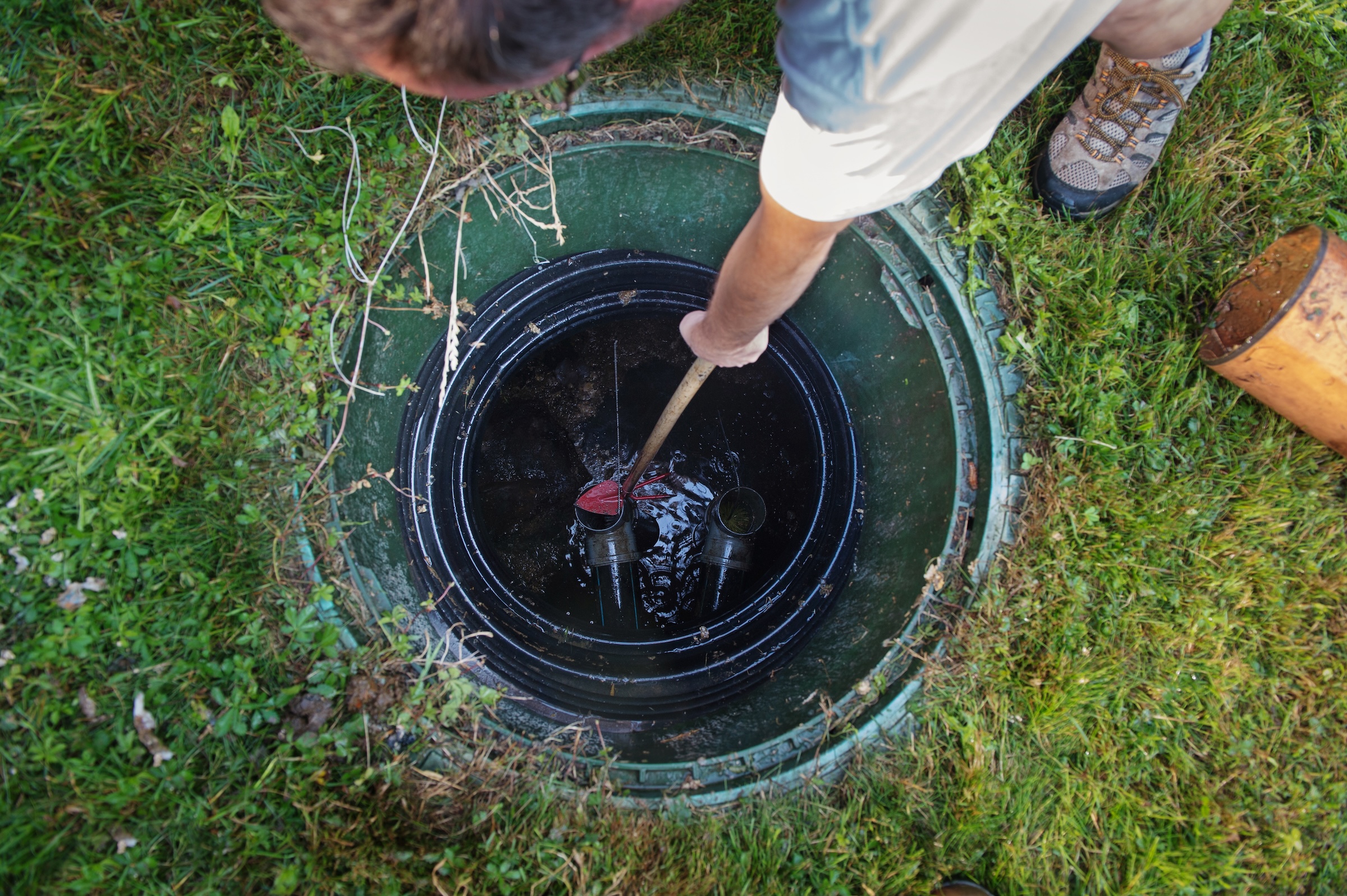
Another common belief is that large maintenance tasks can be handled without professional equipment or training. Homeowners sometimes try to open tanks, adjust components, or make repairs themselves. While basic awareness of your system is important, major maintenance requires specialized knowledge to avoid safety risks and accidental damage.
Improper handling of lids, pumps, or internal parts can disrupt the balance of bacteria inside the tank or damage pipes connected to the system. Professional technicians understand how to access, inspect, and service septic systems safely. Choosing trained help for complex maintenance protects both your property and your personal safety.
#3: Waiting for Warning Signs Before Scheduling an Inspection
Many people believe inspections are only necessary when something smells bad or starts backing up. Unfortunately, by the time these symptoms appear, damage may already be underway. Small issues such as restricted flow, worn components, or minor structural problems often develop long before visible signs start to show.
Routine inspections help catch these hidden problems early. Preventative maintenance keeps the system balanced, enabling professionals to recommend repairs before they escalate into expensive emergencies. Taking a proactive approach saves time, money, and stress in the long run.
#4: Everyday Habits That Disrupt Septic System Balance
Daily routines inside the home can either support or strain a septic system. Disposing of grease, wipes, paper towels, or harsh chemicals down the drain can interfere with natural bacterial activity and create buildup inside the tank. Even common cleaning products, when used excessively, may affect how waste breaks down.
Water usage also plays a significant role. Running multiple appliances at the same time or taking extended showers increases the volume entering the tank and can push solids toward the drain field. Being mindful of what goes down the drain and how water is used helps maintain a healthy balance inside the system.
#5: The Hidden Risk of Continuing Normal Water Use When the Tank Is Near Capacity
One of the most overlooked septic tank misconceptions is the belief that there is no such thing as too much water entering the system. When a tank is close to full, continued heavy water use places extra pressure on pipes and the drain field. Laundry loads, excessive toilet flushing, and running dishwashers simultaneously can overwhelm the system and lead to slow drains or backups.
Reducing water usage when warning signs appear can help prevent larger issues. Spacing out water-heavy activities and monitoring your system’s performance allows it to process waste more effectively. Simple adjustments in daily habits often make a significant difference in long-term system health.
Correcting Septic Tank Misconceptions Before They Become Expensive Repairs
Avoiding septic misunderstandings and understanding the truth is vital in keeping your system operating efficiently. Regular inspections, responsible water use, and professional maintenance all contribute to a healthier septic environment. Instead of waiting for problems to appear, taking preventative steps now will protect your home and extend the life of your system.
By replacing outdated assumptions with informed septic care habits, homeowners can ensure a longer life for their system and avoid septic damage. If you are noticing warning signs, are overdue for service, or just want confidence that your system is in good shape, Local Septic is here to help. Our team provides reliable inspections, pumping, and repairs designed to protect your home and prevent costly surprises. Call Local Septic today to schedule your service and keep your system running right.