Can Septic Tank Additives Replace Regular Maintenance? What Homeowners Should Know
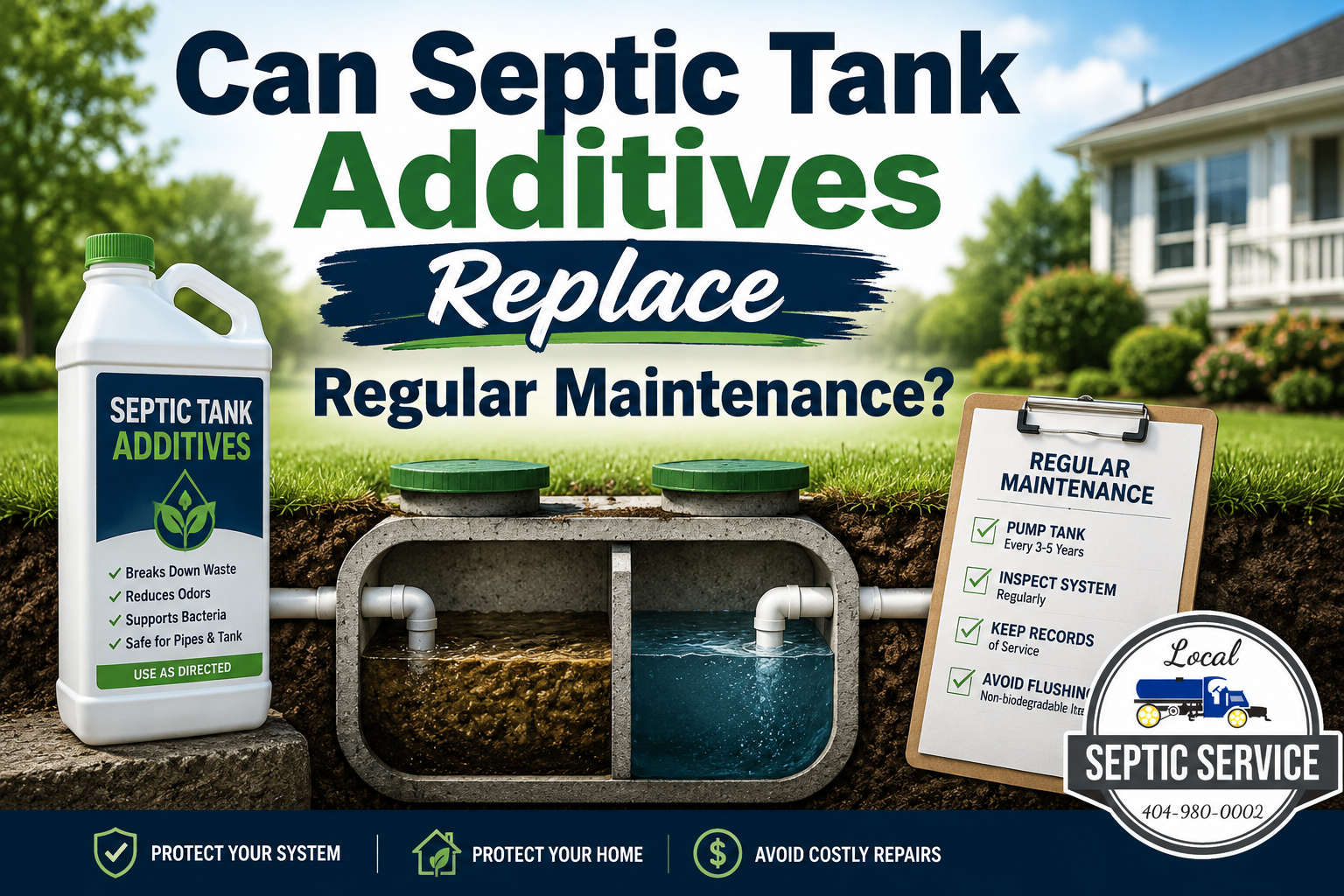
From enzyme blends and odor reducers to chemical drain cleaners and more, septic tank additives are designed to support different aspects of septic system performance. With so many options available, it can be difficult to know what each product actually does, when to use it, and whether it can reduce the need for routine septic pumping and maintenance.
While a healthy septic system already contains the bacteria and microorganisms needed to break down household waste naturally, that doesn’t necessarily mean every additive is unnecessary. In this guide, we’ll look at the most common types of septic additives and their intended purpose, review the EPA’s guidance and considerations for each, and discuss why routine pumping, inspections, and preventative maintenance remain the foundation of a healthy septic system.
1. Biological Enzyme Additives
Biological additives are among the most common products sold for residential septic systems. Often marketed as natural solutions, they typically contain bacteria, enzymes, or nutrient blends intended to support the breakdown of organic waste inside the septic tank. Some products also claim to reduce sludge buildup, minimize odors, or improve overall system performance.
2. Chemical Drain and Line Cleaners
Chemical drain and line cleaners are designed to dissolve clogs and restore drainage through household plumbing. These types of septic additives typically rely on strong acids or alkalis to break down oils, soap residue, hair, and other materials that may contribute to blockages in plumbing lines.
3. Degreasers
Degreasers are formulated to break down fats, oils, and grease before they accumulate inside plumbing or septic systems. These products contain powerful solvents and are often marketed for kitchens or commercial applications where grease buildup is more common.
4. Odor Control Products
Odor-controlling additives are specially designed to reduce unpleasant septic odors that may develop around drains, plumbing fixtures, or the septic tank itself. These products target odor-causing bacteria and are marketed as a quick solution for eliminating unwanted smells.
5. Specialty Treatment Products
Some additives are developed for very specific treatment goals rather than general septic maintenance. These include phosphorus-removal products and flocculants, which are designed to address particular wastewater conditions or improve water clarity in certain situations.
EPA Considerations
The EPA recognizes that septic additives serve different purposes and are marketed to address a variety of septic system concerns. However, because these products vary widely in formulation, homeowners should understand that some additives may have unintended effects depending on their ingredients and how they’re used.
For example, some chemical products may interfere with the natural biological processes that allow a septic system to function efficiently, while certain specialty treatments may contribute to additional sludge accumulation or affect beneficial microorganisms with long-term, routine use.
Additionally, the EPA notes that while many additives work as intended and can benefit the septic system, the best course of action is to keep regularly scheduled cleanings and routine pumping.
Routine Maintenance Is Still the Foundation of a Healthy Septic System
Whether or not you choose to use septic tank additives, routine maintenance remains the most important part of protecting your septic system. Good septic care starts with everyday habits like proper waste disposal and scheduling regular inspections.
Most residential septic tanks should also be pumped every three to five years, depending on household size, system use, and sludge accumulation. Following a regular maintenance schedule allows your septic system to continue operating as designed while helping identify small issues before they develop into expensive repairs. Remember, before using any additive, homeowners should carefully read product directions, understand its intended purpose, and consult a septic professional if they’re unsure whether it’s appropriate for their system.
Protect Your Septic System With Routine Professional Care
Septic tank additives are available for a variety of purposes, and understanding what each product is designed to do can help homeowners make informed decisions about their septic system. However, even when additives are used, they should not be viewed as a replacement for routine inspections, pumping, and preventative maintenance.
If your septic tank is overdue for pumping, you’ve noticed changes in system performance, or you simply want the confidence that everything is operating properly, Local Septic is here to help. Our experienced team provides professional septic pumping, inspections, repairs, and preventative maintenance to keep your system running reliably for years to come.
Contact Local Septic today to schedule service and protect your investment with maintenance you can trust.